
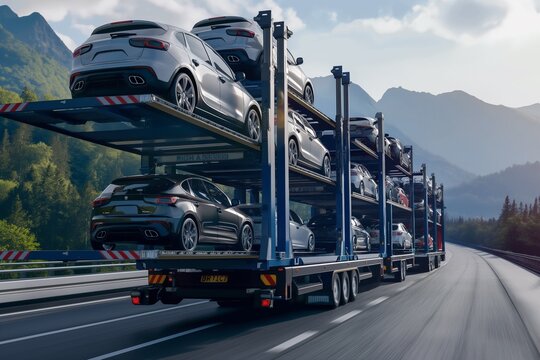
Usually, shipping a vehicle between major cities is no problem, as carriers typically go that route every day. Differently designed rural routes. Planning can take more detail due to long country roads, smaller towns, limited truck access, and fewer carriers nearby. For this reason, learning what national carriers do on long rural hauls can help you prepare and set realistic expectations about delays.
Nationwide auto transport is based on route planning. Carriers take the distance, accessibility of the road, pickup conditions, delivery timing, vehicle size, and the compatibility between the shipment and other vehicles already on the truck into consideration. Rural transport is very doable, but it works best when the customer provides accurate details and is flexible where possible. The car shipping guide explains how the process works and how we can help you plan with more confidence.
What are Accurate Pickup and Delivery Details?
The initial step in rural automobile shipping is getting the location right. A transport truck may have very different treatment of two addresses that fall within the same ZIP code, when these are in a rural area. Some businesses may be right off a main highway while others may be miles down an often narrow gravel road.
If available, please provide the complete address for pickup and delivery when requesting service. If the vehicle is at a farm, ranch, cabin, storage yard, repair shop, auction lot or remote residence, describe the road conditions. Indicate if there is pavement on the road and if large trucks are able to turn around. Also, indicate if there are low bridges, tight gates, steep driveways, or seasonal road issues.
This data helps carriers decide if true door-to-door pickup is possible or if a nearby meeting point would be safer. When you provide honest information about your location, the quote and schedule will start off more realistically.
Realize why rural routes need such planning more
A significant element concerning how national carriers manage long rural routes is routing efficiencies. Car carriers typically transport more than one vehicle. Their routes use are designed for the pickup and delivery of several cars without diversion.
In rural areas, pickups may entail the driver detouring from major highways or typical transport lanes. It takes more time and fuel which complicates scheduling. The shipment will likely require more coordination than for a city pickup if the driver will travel 60 miles off of the route and back to the highway.
A car located near a small mountain town may be deliverable. However, before loading a truck, the carrier will confirm road grade, whether the weather, and the ability to turn around. In farming area, narrow roads or low lying tree branches may also restrict access.
Rural customers are not that difficult to serve means that. This means that a planned route must be arranged so that a vehicle can be loaded suitably and delivered appropriately.

Use a nearby meeting point when it makes sense
A great way to ease rural shipping is to opt for a nearby carrier-friendly meeting point. These could include a gas station, truck stop, shopping center, car dealership, wide public parking area, or open commercial road in the vicinity of a freeway.
If you meet the carrier at a better location, you can reduce delays, protect your property and help the driver load the vehicle. Scheduling may also be easier because the truck does not need to go down narrow local streets.
For example, if your car is parked at a country house that has a long dirt road or driveway, it may save time to meet the driver in town. The carrier can check if the car is okay, fill out paperwork, and safely load it. The truck may drive only a short distance but steer clear of a challenging detour.
Inquire about the accessibility of your destination to a major carrier. When in doubt, offering a nearby meeting point might be a good option.
Plan the Time and Prepare the Vehicle
It is important that your vehicle is ready to go as rural routes do not have a high rate of pickup. Ensure that your car is clean and accessible to the carrier before the arrival. Take away personal items. Check tire pressure. Make sure the battery is charged. Keep the fuel tank approximately a quarter full. Ensure the keys are present.
Let the shipping provider know that the vehicle does not run, steer, roll or brake before pickup. Unusable vehicles may require specialized equipment, and not every rural route carrier can accommodate them. In case a driver arrives to a running vehicle and it cannot move then the pickup will be delayed.
Proper timing is significant too. Rural shipments can require a wider pickup window due to the fact that carriers are to coordinate longer routes. If you can provide some flexibility, you may find it easier to match your vehicle with a suitable truck.
Don’t procrastinate, especially when the pick-up is related to a job transfer, closing on a property, military relocation, college timetable, or sale of a vehicle.
Work with a shipping resource that understands rural transport
Communication is key for rural auto transport. If you have a good shipping resource, you will have a better understanding of what details matter, how route planning works and what kind of expectations are realistic. It should not merely provide a price without any consideration of accessibility issues.
Car Shipping Source assists customers with vehicle transport options and prepares for moves across city, state, and countryside. Having the right planning in mind can make things easier when you are shipping from a small town, remote properties, or countryside in the long run.
Share your car details, specific route, desired dates, access notes and any worries about the road conditions. Having more comprehensive information will result in a better transport plan.
Consequently, the way that nationwide carriers manage long rural routes is route matching, safe access planning, flexible scheduling, and accurate communication. Shipping in the rural area may take a little extra work, but it can be handled like a pro.
Concluding Remarks
Long hauls on rural routes differ from city-to-city car shipping but are manageable with careful planning. Before pickup, nationwide carriers pay attention to access, distance, road conditions, timing, equipment, and other routes. Customers can assist by giving the precise details of the location, preparing the car, being flexible, and using a safe spot if need be.
