
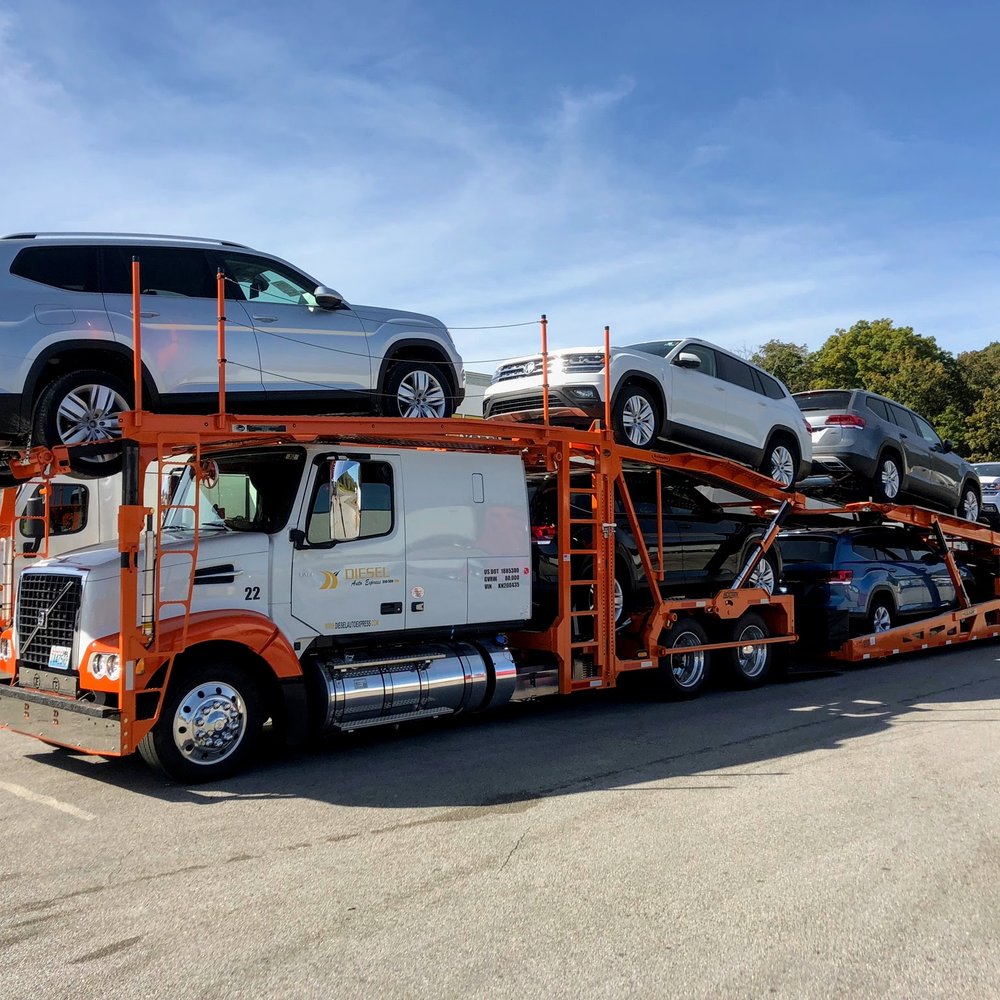
Shipping of a vehicle is fairly easy. Dealing with a collection of vehicles needs proper planing. Many businesses, dealerships, rental companies, service providers, government teams, and corporate branches deliver vehicles in stages rather than delivering every vehicle at once. This is how fleets schedule staggered vehicle deliveries to avoid congestion, improve handoffs and keep congestion at bay.
Staggered delivery is where vehicles are not dispatched and arrive at a destination in groups or at different times. When parking is limited and staff, inspection, or on boarding capacity is low, this helpful. An apt plan for fleet shipping helps them become well-organized and barring any disruptions.
Have a Fleet Delivery Plan from the Start
In vehicle delivery scheduling, fleet managers pinpoint how many vehicles need to move when and where the vehicles are coming from and going to. They then use this information to schedule deliveries. A fleet move must not start with a vague message like “ship ten cars next week.” It must start with a delivery plan.
Break down each vehicle by year, make, model, VIN or unit number, pick-up point, delivery point, running condition, and final destination contact. Next, assess if all vehicles go to one place of multiple branches.
A company may have six service vans delivered to a new branch but two technicians will start each week. The firm may deliver the vehicles over a period of three weeks by sending two at a time. This ensures that parking does not get overcrowded and staff can check, register, brand, and assign each unit.
Organize Vehicles According to Their Priority and Destination
When the complete vehicle list is ready, group the fleet according to priority. vehicles need for active employees, urgent customer service, or a branch launch operation, etc. Some may serve as backup units, replacement vehicles, or future-use inventory.
Effective fleet delivery plans classify units by priority – high-priority early stage units (often deliveries flagged by the dealer), standard delivery late stage best-sellers and later stage units. Categorize vehicles travelling to various branches by their area or route. It helps carriers better plan efficient loads and your team plan arrival time.
A business that is transferring vehicles from a central storage lot to three regional branches may reasonably move the closest or most urgently-needed branch vehicles first. Yet another way to group vehicles is by vehicle type first sedans then vans then trucks depending on operational needs.
Align pickups and access to the site
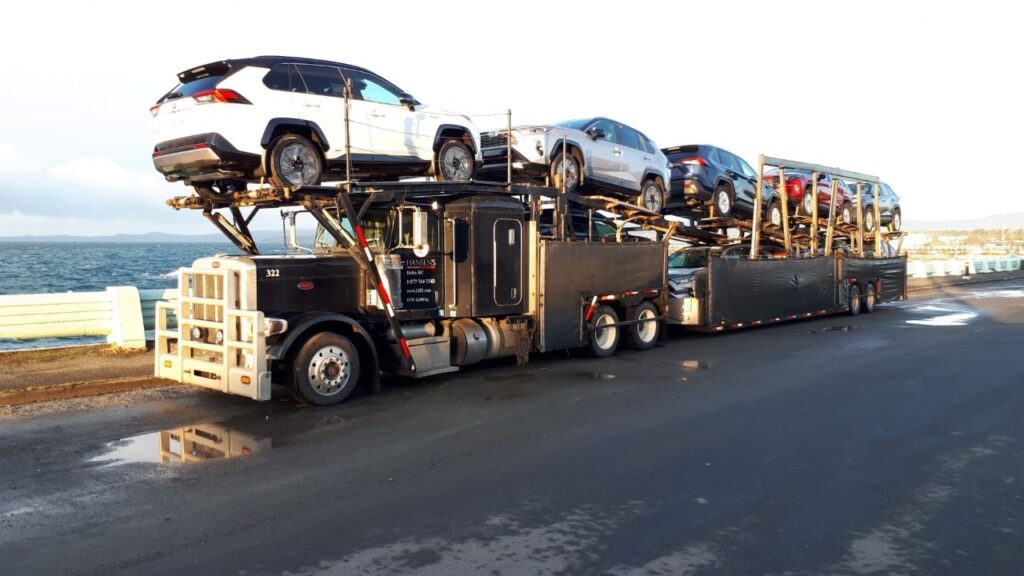
Fleet shipments frequently consist of several pickup points, delivery points, or business facilities. Thus, the agreement must clearly specify the timing and access. Large car-haulers need space where they can load and unload safely, fleet yards – or branch offices – may have security procedures, a gate, loading zone, and limited business hours.
Check each place for pick and drop off timings beforehand. Figure out who will give the vehicles and who will take them. Share phone numbers, gate codes, lot instructions, unit locations, and any special access info.
Staggered delivery is beneficial when it is not possible for the branch to receive all vehicles on one single day. a company with limited parking may opt for three vehicles on monday, three on wednesday and the rest next week. A dealer may desire arrivals spread out so the inspection team can inspect each vehicle correctly.
Get every car ready prior to the initial pick-up
If every vehicle is ready when its pickup window begins, a staggered schedule can work. When there is a delay with one unit the entire schedule affect. Where procedures allow, ensure thorough cleaning of each vehicle used for transport. Or else remove any personal or company items. Moreover, check the tire pressure. Ensure that the battery of the engine is charge. Fill up the fuel to about a quarter of a tank.
Make keys mindfully. Make sure to label each key with the correct unit number, vehicle model, or last digits of the VIN. Please avoid attaching keys, fuel or gate cards or employee keychains that are not related to the office. When vehicles are being stored in a lot, make sure the vehicles easily accessed and are not blocked in by other units.
Photograph every vehicle before it gets picked up. Obtain the photographs of the car’s exterior panels, wheels, bumpers, windshield, interior, and odometer reading. Also take image if there were any existing damages. This is especially important for fleets, as several vehicles may be moving at once, and avoiding confusion at delivery is key.
Monitor Deliveries and Record Fleet Updates
The arrival of vehicles gets manage as the last aspect of staggered vehicle deliveries Every delivery checked, signed and recorded before the next group arrives. The receiving team should check the condition of the vehicle against pickup pictures and inspection report.
After each delivery, update fleet records. The assigned driver, branch location, mileage, insurance location, maintenance schedule, registration status, fuel card assignment, GPS tracking, decals, and other internal asset records may include this.
An uncomplicated delivery spreadsheet can assist. Information that included are vehicle unit number, expected delivery date, actual delivery date, receiving contact, inspection status and notes. When tasks and deadlines are laid out, the process gets organised and the people manage visibility of the progress.
Car Shipping Source can help businesses with fleet movement, staggered timing and practical movement planning. A Little Planning Will Make Moving Company Cars, Service Vans, Rental Units, Dealer Units, and Regional Fleet Vehicles Easier
Last Thoughts
The delivery of the fleet staggered is control. Companies can schedule arrivals in realistic phases, rather than flooding one location with too many vehicles at once. This aids with parking, staffing, inspections, assignments, and branch activities.
To understand how fleets schedule staggered vehicle deliveries, you must start with the vehicle list, group priorities, plan for access, prepare vehicles, and track organized delivery. for the fleet transport and vehicles shipping advice you need.
