
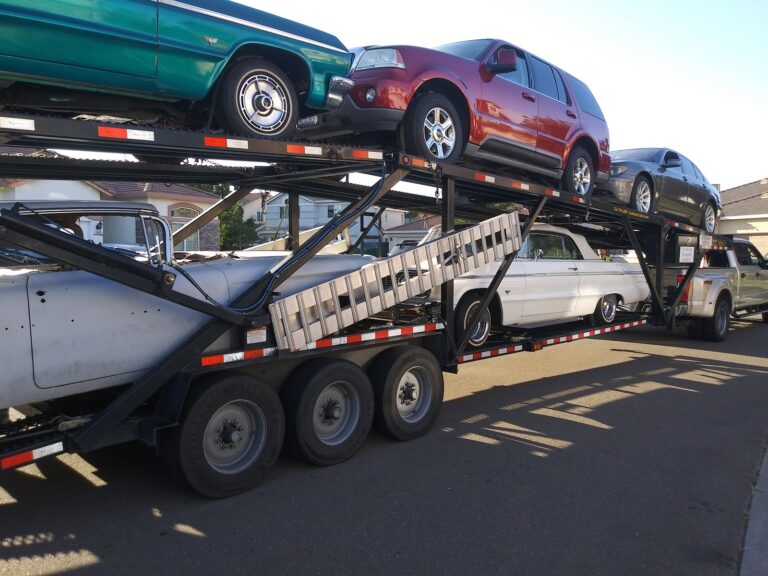
You may stress over shipping your car especially if your car is valuable or used frequently. Oftentimes, car owners are anxious whether their cars will get damage. Auto transporters can cover damages extensively.
The good news is that most reputable car shipping companies have you covered for damages while on the move. It’s important to fully understand how that insurance works, as well as what you need to check, before shipping your vehicle.
When moving to another state or buying a vehicle online to ship out to a family member, the transport insurance will certainly grant you peace of mind.
In our guide will look at auto transport insurance, how it works, what it usually covers, and the precautions you should take to make sure you are covered before your vehicle gets on the ship.
Find out how auto transport insurance works for consumers
While a qualified carrier is hauling your car for money, auto transport insurance insures your car. The coverage from the transport company’s insurance kicks in when the actual loading of your vehicle takes place onto the carrier truck.
Federal law requires truckers to have an insurance policy that pays for damage to any vehicle in possession of vehicle carriers and being transported by them. Though, this depends on the amount of damage.
Also known as cargo insurance, it refers to the insurance for damages happened to a vehicle during its loading, carrying, and unloading.
Nonetheless, as the carrier dictates your coverage, check the insurance information beforehand to clarify who assumes liability if your order is lost or damage in transit.
Carshippingsource.com takes your requests and connects you with a licensed and insured car transportation service provider.
Understanding auto insurance can help protect your vehicle in transit and cover damages in case of an accident.
Learn About The Coverage Of Auto Transport Insurance
The vehicles of most carriers are insured against damage while in transit.
- The activities that could be done to take part in above events.
- Damage took place while unloading/loading.
- Vehicle Operator in Collision
- The trailer is subject to injuries due to moving traffic.
In transport, it is very important to understand some limitations as well. For example, if you are leaving something behind in the vehicle and if something happens due to other technical failures which won’t happen in the transportation.
Before you ship your vehicle, ask the carrier about their coverage limit and terms to the policy.
Popular shipping services like carshippingsource.com utilize insured carriers. This ensures safety of all cars in the system.
Although transporters usually have insurance, confirm this with them before shipping.

Request the transport provider the following info
- Copy of the shipping company’s insurance certificate.
- Liabilities established for vehicle damages.
- The identification of the shout insurance company.
- Use contact info as claim.
The truckers insurance can be anything from 100k to 500k. It changes according to the carrier and transport trailer type.
Often, when shipping a large luxury or exotic vehicle, the coverage limits are recommend to be higher as they go enclosed.
Record a video showing the condition of your vehicle before shipment
It is important to note the condition of the vehicle to protect its damage before the transport starts.
The driver and you will check out the vehicle together when you reach the driver’s pick up location. At this point in time, any scratches, dents and marks already existent on the Bill of Lading note will get record. The Bill of Lading is the best document for shipping.
- Take clear photographs of the vehicle from all angles.
- Take photos of the damage.
- Do not erase those pictures until the delivery has completed.
It serves as evidence of the vehicle’s state prior to being ship and allows for the claim filed.
When documented properly, this damage can provide the client and the transport company with a clear report of the vehicle.
Certain automobile insurance policies may provide some level of protection during car transporting. It may not always be essential, however, it may offer an extra layer of protection.
More often than not, the carrier’s cargo insurance will suffice. However, being aware of your own policy helps you feel easier with it.
If you carry high-value vehicles, it would be a smart move to look into both carrier coverage and personal insurance.
Be prepared in case of damage
If your vehicle arrives undamaged (a rarity with most carriers), here’s how to respond to the shipper.
If your vehicle is delivered damaged, you must take the following steps.
- Thoroughly check the vehicle before signing delivery note.
- Check the bill of lading for damage details
- Take photographs of the affected areas.
- Inform the carrier to commence the claim process.
When receiving goods, it is important to put your issue in writing, as it is easier to claim damages that are notated down sooner rather than later.
If you get a chance, the claims process aided by professional transport services.
Do auto transporters provide insurance coverage?
Do auto transporters provide insurance for my shipment? Most certified auto transport companies have cargo insurance to protect in-transit vehicles from loss and/or damage. The coverage limits and conditions may change but it will be as per the insurer. Prior to anything, check the insurance.
If you check the carrier’s insurance, document the condition of the vehicle, and learn about the claims process, you can ship your vehicle with confidence.
If you need carriers with experience to deliver your vehicle to your preferred destination visit carshippingsource.com for the transports. It helps you assess various transport services for correct vehicle shipping. Your vehicle transported using a fully insured carrier with our service.
If you prepare well and find a reliable transporter, then your car shipping experience will be risk-free.
